
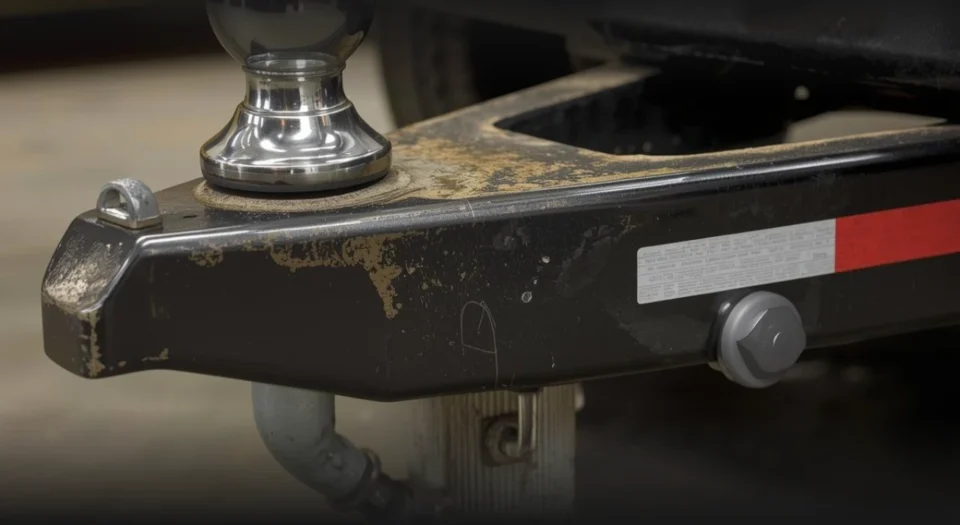
Towing a trailer safely depends on having the right equipment in good condition. Two critical components of your trailer hitch are the hitch ball and the coupler. These parts connect your trailer to your vehicle, and any wear or damage can compromise safety on the road. Knowing when to replace your trailer hitch ball or coupler is essential to prevent accidents, maintain proper towing performance, and protect your investment in your vehicle and trailer.
Understanding the Trailer Hitch Ball and Coupler
Before diving into replacement timelines, it’s helpful to understand what these components do:
- Trailer Hitch Ball: This metal sphere mounts on your vehicle’s hitch receiver and serves as the connection point for the trailer. It allows the trailer to pivot while towing. Hitch balls come in different sizes and weight ratings depending on your trailer and towing needs.
- Trailer Coupler: The coupler attaches to the trailer’s tongue and fits over the hitch ball. It locks securely in place and transfers the trailer’s weight to the towing vehicle. Couplers often have a latch or locking mechanism to ensure they remain connected while driving.
Both the ball and coupler are exposed to heavy loads, road vibrations, weather, and debris. Over time, these factors can cause wear, corrosion, or deformation. Regular inspection and maintenance are key to preventing failures.
Signs It’s Time to Replace Your Trailer Hitch Ball
Trailer hitch balls endure significant stress during towing. Here are the most common signs that a replacement is needed:
1. Visible Wear or Grooves
The contact area where the ball meets the coupler should be smooth. Deep grooves, pits, or flattened spots indicate excessive wear. If the ball is worn down, it may not seat properly in the coupler, increasing the risk of disengagement while driving.
2. Rust or Corrosion
Surface rust is common on exposed hitch balls, but severe corrosion weakens the metal. If the ball shows deep rust, flaking, or pitting that compromises structural integrity, it’s time for a replacement.
3. Deformation or Cracks
Check for bent or cracked balls. Any deformation reduces the hitch’s ability to carry weight safely and may cause dangerous trailer sway or uncoupling.
4. Wrong Size for Your Trailer
Hitch balls come in standard sizes (e.g., 1-7/8”, 2”, 2-5/16”). Using the wrong size for your trailer coupler can cause poor fitment, uneven weight distribution, and unsafe towing. If you’ve changed trailers, make sure the ball matches the coupler size.
Signs It’s Time to Replace Your Trailer Coupler
Like the hitch ball, the coupler also wears over time. Here’s what to look for:
1. Latch Malfunction
The coupler latch should lock securely around the hitch ball. If the latch is loose, difficult to operate, or doesn’t hold the ball firmly, replace the coupler immediately. A faulty latch is one of the leading causes of trailer separation on the road.
2. Cracks or Deformation
Inspect the coupler body for cracks, bends, or warping. Heavy loads, impact, or corrosion can compromise its strength, making towing unsafe.
3. Excessive Wear
Over time, the internal mechanism of the coupler can wear down. If the ball moves excessively inside the coupler or you hear rattling while towing, it may indicate the coupler has worn beyond safe limits.
4. Rust and Corrosion
Couplers are usually made of steel, which can rust over time. Surface rust can be treated with cleaning and lubrication, but deep corrosion that affects the coupler’s structure requires replacement.
Routine Inspection Tips
Regular inspections help catch issues before they become dangerous. Here’s a checklist for safe towing:
- Visual Inspection: Look for rust, cracks, grooves, or deformation on both the hitch ball and coupler.
- Fit Check: Attach the trailer and check for wobble or excessive movement.
- Lubrication: Apply a light coating of grease on the hitch ball to reduce wear and friction.
- Lock Mechanism: Test the coupler latch to ensure it fully secures the ball.
- Weight Rating: Confirm that the ball and coupler are rated for your trailer’s gross trailer weight (GTW) and tongue weight.
Conduct this inspection before every towing trip, and more thoroughly every few months or after heavy towing.
Replacement Guidelines
There is no set “expiration date” for hitch balls or couplers since usage varies widely. Instead, replace these components if you notice any signs of wear, damage, or improper fit.
- Hitch Balls: Replace if worn, deformed, or rusted significantly.
- Couplers: Replace if the latch is loose, mechanism is worn, or corrosion affects structural integrity.
- After Heavy Use: If you tow frequently or haul heavy loads, inspect components more often and consider proactive replacement every few years.
Why Timely Replacement Matters
Neglecting worn or damaged hitch components can have serious consequences:
- Trailer Separation: A faulty ball or coupler can cause the trailer to detach while driving.
- Vehicle Damage: Uneven weight distribution or sway can strain your suspension, brakes, and frame.
- Accidents: Loss of trailer control increases the risk of collisions.
- Legal and Insurance Issues: Using unsafe towing equipment may violate local laws and impact insurance coverage in case of an accident.
By replacing your trailer hitch ball and coupler when needed, you protect your vehicle, cargo, and everyone on the road.
Conclusion
Knowing when to replace your trailer hitch ball or coupler is essential for safe towing. Regular inspections, paying attention to signs of wear, rust, deformation, or malfunction, and ensuring the correct size and weight rating can prevent accidents and extend the life of your towing setup.
Trailer towing is convenient and fun, but it comes with responsibilities. Keeping your hitch components in top condition ensures safe, stable, and stress-free towing every time. Don’t wait until a problem arises—proactive maintenance and timely replacement are key to a worry-free towing experience.
